Table of Contents
You walk down the stairs five years after your basement renovation, and something feels off. The carpet’s already showing wear patterns. There’s a musty smell you can’t quite place. The paint has started peeling in one corner, and you notice water stains forming near the foundation wall. What happened? You thought you’d done everything right when you finished your basement.
Basement finishing projects don’t all deliver the same results over time. Standard basement finishes might look acceptable on day one, but a custom basement remodel builds the quality and resilience your space needs to stay beautiful and functional for decades. The difference isn’t just about aesthetics. It comes down to how space is built from the foundation.
The Materials Make the Difference
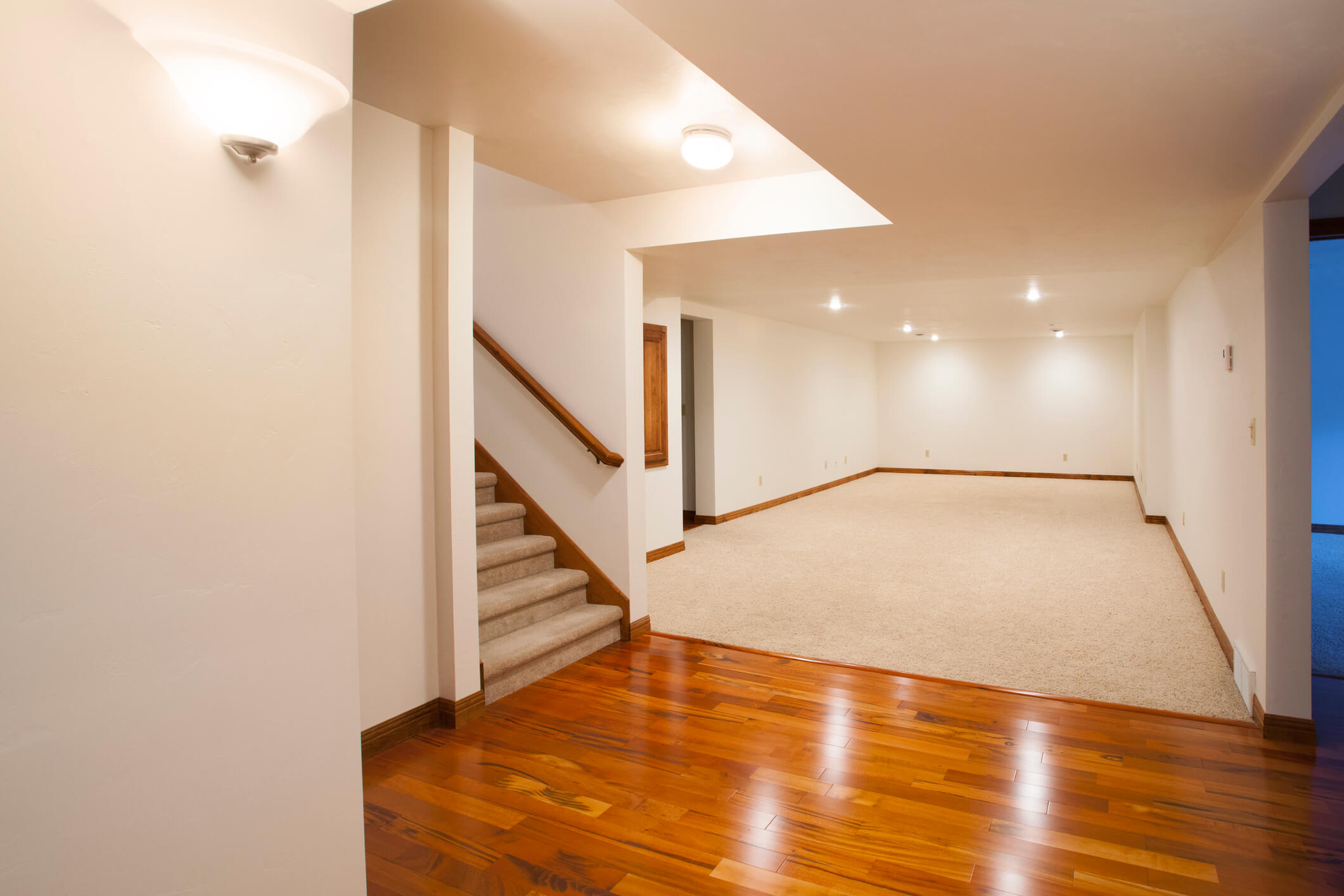
Think about the flooring choices you see in most basement finishing work. Standard finishes often use basic carpet padding and conventional carpet or cheaper laminate products. They’ll work fine in the beginning. But basements face conditions that other parts of your home don’t.
A high-quality basement remodel takes those conditions into account before a single nail gets hammered. Instead of standard carpet, you’re looking at luxury vinyl planks designed specifically for below-grade installations. The difference? LVP can withstand moisture fluctuations without warping or mold growth underneath. When you choose durable basement finishes like these, you’re protecting your investment against the specific challenges of below-grade living spaces.
The same principle applies to walls. Standard finishes might use regular drywall throughout the space. But anyone who’s dealt with basement humidity knows that conventional drywall doesn’t always hold up in Carmel or Greenwood, where seasonal moisture changes can be significant. Moisture-resistant basement finishes use products like cement board or specially treated drywall in areas prone to dampness. These basement remodel materials cost more upfront, but they save you from expensive repairs down the road.
Water Management Sets Custom Work Apart
Have you ever noticed how some finished basements develop that telltale musty smell within a couple of years? It usually traces back to inadequate moisture control during the initial basement finishing.
Custom basement renovation takes water management seriously from day one. This means going beyond the basic vapor barrier and developing a comprehensive strategy. Professional basement remodeling contractors in the Indianapolis area understand local building codes and know exactly what your basement needs to stay dry. Proper subfloor systems allow air circulation. Dehumidifier setups integrate into your HVAC. Sump pumps and drainage solutions address the specific conditions of your property.
Standard finishes might skip these steps to save money. They’ll put up walls and call it done. But water doesn’t care about your walls. It finds its way through foundation cracks, condensation, and groundwater pressure. A proper waterproofing approach addresses all these potential entry points before you start thinking about paint colors or where to put your home theater.
The insulation strategy matters here, too. Closed-cell spray foam creates an actual moisture barrier while providing superior R-value. Rigid foam boards offer similar protection. These aren’t just about keeping your basement warm in winter. They’re about preventing the temperature differentials that cause condensation and eventual mold growth. Mineral wool insulation offers fire and moisture resistance, making it another solid choice for basement applications.
Built for Long-Term Basement Remodel Longevity
Most people don’t consider this until it’s too late: how well space adapts to your changing needs. When basement remodeling companies approach a project as just “finishing” the space, they’re thinking short-term. Get it done, get it usable, move on.
Custom basement remodeling thinks differently. What if you want to add a guest suite in five years? What if that playroom for the kids needs to become a home office when they head to college? Quality basement renovation builds in flexibility. This might mean running extra electrical circuits to areas where you might eventually need them. It could involve framing walls in ways that make future modifications easier. These decisions happen during the planning phase, and they’re the difference between a space that grows with you and one that requires major demolition to change.
The craftsmanship quality shows up in unexpected places. Take built-in shelving, for example. Standard finishes might use particle boards with a basic finish. Custom work uses solid wood or quality plywood, properly anchored into studs with consideration for the weight you’ll actually put on those shelves twenty years from now. It’s these details, multiplied across every aspect of the project, that determine whether your basement remodel quality holds up or deteriorates.
The Local Code Compliance Advantage
Every jurisdiction has its own requirements for basement spaces. Indianapolis, Carmel, and Greenwood each have specific local building codes that govern everything from egress windows to ceiling heights. Standard basement finishing sometimes cuts corners on these requirements, banking on the fact that many homeowners don’t know what’s required.
Custom basement remodels handle permits and inspection standards properly from the start. This isn’t just about following rules for the sake of it. These codes exist because they keep your family safe. Egress requirements ensure you can get out in an emergency. Proper electrical grounding prevents shock hazards. Adequate ventilation maintains healthy air quality.
When you work with experienced basement contractors who understand these requirements, you’re getting more than compliance. You’re getting a space designed around safety principles that will protect your family and preserve your home’s resale value. Home inspectors notice these details. Potential buyers care whether the work was done right.
Sound Control and Comfortable Living
One aspect that really separates quality work from standard finishes is attention to soundproofing. If you’re creating a multi-functional space that includes a home theater or family room, you don’t want every movie to wake up the kids upstairs. Standard finishes rarely address this adequately.
Custom approaches incorporate sound control from the framing stage. This might involve staggered studs, multiple layers of drywall with sound-dampening compounds between them, or specialized insulation designed to absorb sound transmission. The result? You can actually use your basement for its intended purpose without compromising the rest of your home’s peace.
The same attention extends to lighting plans for basements. These spaces typically lack natural light, so the design choices around artificial lighting become critical. Standard finishes might throw in some basic ceiling cans and call it good. Quality work layers different light sources at various heights, creates zones for different activities, and considers how the space will actually be used over time.
Making Smart Design Choices
Professional basement remodeling contractors bring a valuable perspective from hundreds of projects. They’ve seen what works and what doesn’t. They know that trendy design elements from five years ago already look dated. They understand which investments deliver lasting value and which are just expensive flash.
A functional space needs to balance aesthetics with practical concerns. That recessed lighting looks great, but is it positioned where you actually need illumination? That wet bar adds wow factor, but does the plumbing plan account for future maintenance access? These questions are answered differently when you’re focused on long-term performance rather than just getting the job done.
The relationship between initial cost and long-lasting value isn’t always straightforward. Yes, quality materials and careful installation cost more upfront. But when you factor in the repairs you won’t need, the modifications you won’t have to make, and the superior function you’ll enjoy for decades, the math shifts considerably.
Creating Versatile Living Spaces
Modern families use their basements differently than they did twenty years ago. The rise of remote work has made home offices common in basement spaces. The growing popularity of multi-generational housing has created demand for guest suites with proper egress windows and full bathrooms. Family rooms have evolved beyond simple TV watching into dedicated spaces for gaming, streaming, and socializing.
Custom basement renovation anticipates these uses and builds in the infrastructure to support them. Want to add a bathroom later? The plumbing rough-in can be stubbed out now, making the future addition simpler. Thinking about a wine cellar? The temperature regulation systems can be designed with that in mind from the start.
Even the framing approach matters. Pressure-treated materials near concrete walls resist moisture damage. Proper blocking for future mounting needs means you can hang that 80-inch TV without worrying about studs. These details come together to create a space that truly serves your family’s evolving needs.
The Investment That Keeps Paying Back
Nobody likes talking about selling when they’ve just invested in improving their home. But return on investment matters. When the time comes, buyers notice quality. They see moisture-resistant materials and understand the space won’t require immediate attention. They appreciate proper egress windows that make the basement bedroom count toward the square footage. They value the workmanship warranty that comes with professional installation.
How you finish your basement directly impacts how potential buyers perceive your entire home. A well-executed custom basement renovation signals that the property has been maintained to high standards. It suggests other systems have probably received similar attention. This effect extends your investment’s value beyond just the square footage you added.
The cost-effective nature of quality work becomes apparent when you consider the alternative. Redoing a poorly finished basement costs more than doing it right the first time. You pay twice – once for the initial work, once for the fix. You also deal with disruption and inconvenience all over again.
Working with the Right Partners
Not all basement remodeling companies approach projects the same way. Some focus on getting jobs done quickly and cheaply. Others prioritize performance that lasts and your satisfaction years down the road. The difference shows up in every decision, from material selection to construction techniques.
At Gettum Remodeling, we’ve spent more than 35 years helping Indianapolis area homeowners transform unfinished basements into spaces that truly last. We understand local conditions, from the clay soil that affects drainage around Carmel to the humidity patterns that impact basements in Greenwood. We know which building codes matter and why. Most importantly, we’ve watched how different approaches perform over decades, not just months.
Our process starts with understanding what you need your basement to become. Additional living area for a growing family. A rental unit for supplemental income. A dedicated home theater or workout space. Whatever the goal, we build around your specific requirements rather than forcing you into a standard template. This approach costs more than basic basement finishing, but it delivers results that justify the investment.
We carry proper insurance and maintain the necessary licenses. We pull permits and schedule inspections. We stand behind our work with real guarantees. These aren’t extras – they’re fundamentals that protect your investment and ensure the work meets professional standards.
Build Something That Lasts
Your basement represents significant potential living space. The question is whether that potential is realized through a quick standard finish or a thoughtful custom basement remodel designed for long-term performance. The difference comes down to expertise, materials, attention to detail, and commitment to quality that extends well beyond completion day.
If you’re ready to explore what’s possible in your basement space, we’re here to help. Our team can assess your specific situation, discuss your goals, and develop an approach that makes sense for your family and budget. We’ve completed hundreds of basement projects around Indianapolis, Carmel, and Greenwood since 1987, and we understand what it takes to create spaces that still look and function beautifully decades later.
Contact Gettum Remodeling today to schedule your free consultation. Let’s talk about transforming your basement into a space your family will enjoy for years to come.
Ready to update your space?
Talk to Gettum Remodeling, your local design-build remodeling experts serving Indianapolis, Carmel, Fishers, Greenwood, and Zionsville. Our team will help you choose upgrades that strike the right balance of comfort, design, and long-term value for your home.
FAQs Section
What's the difference between basement finishing and basement remodeling?
Basement finishing involves transforming an unfinished space by installing basic walls, flooring, and ceiling to create a usable area. Custom basement renovation goes further with comprehensive moisture-control planning, specialized materials, and designs built for specific long-term uses, with superior durability and quality finishes.
How does moisture control affect basement remodel longevity?
Moisture is the biggest threat to basement spaces. Without proper moisture control, including waterproofing, drainage systems, vapor barriers, and dehumidifiers, even expensive finishes deteriorate quickly. A comprehensive approach using mold-resistant materials and proper ventilation keeps your basement dry and functional for decades.
Are luxury vinyl plank floors really better than carpet for basements?
Yes, for most basement applications. LVP handles moisture fluctuations without warping or growing mold underneath. It’s easier to maintain and can often be dried and reinstalled after minor water intrusion, while carpet typically needs complete replacement. LVP also resists temperature changes better than traditional carpet.
Do I really need egress windows in my basement?
If you’re adding a bedroom, yes. Local building codes require egress windows for basement bedrooms to provide emergency escape routes and meet safety standards. They also bring in natural light and increase resale value since properly finished space with egress counts toward your home’s total square footage.
Can a basement be designed for multiple uses over time?
Yes. Smart planning creates multi-functional spaces that adapt as needs change – a playroom becomes a teen hangout, then a home office or guest suite. The key is installing flexible infrastructure during construction: extra electrical circuits, stubbed plumbing, and reinforced framing. This costs slightly more initially but saves thousands in future renovation expenses.
What should homeowners ask basement remodeling companies before hiring?
Ask how they handle moisture control for your specific property conditions, which moisture resistant materials they use and why, whether they pull permits and schedule inspections, and what their warranty covers. Request references from projects completed 5-10 years ago. Detailed answers demonstrate they understand basement environments and stand behind their work.
How much should I expect to invest in a quality basement renovation?
Basic basement finishing typically costs $20-$50 per square foot, while custom basement remodels run $75-$150+ per square foot, depending on features. For a 1,000 square foot space, expect $20,000-$100,000+. The investment depends on your specific goals, the finishes you select, and whether you’re adding bathrooms, kitchenettes, or specialized spaces like home theaters.