Table of Contents
Most homeowners start planning a basement project the same way. They open a browser, search “basement ideas,” save a few photos, and start thinking about flooring and paint colors. It feels productive. It feels like progress.
Picking finishes is not the same as designing a basement. Confusing the two is one of the most common reasons basement projects end up feeling like a missed opportunity. Not because the work was done poorly, but because the decisions started in the wrong place.
More homeowners than you’d expect learn this the hard way, especially in older Indianapolis neighborhoods where basements vary wildly in height, moisture behavior, and structural quirks. What works in a newer Fishers build may not translate to a mid-century Greenwood home with low ceilings and an aging sump system. Space dictates a lot. The plan should come first.
What "Choosing Finishes" Actually Means
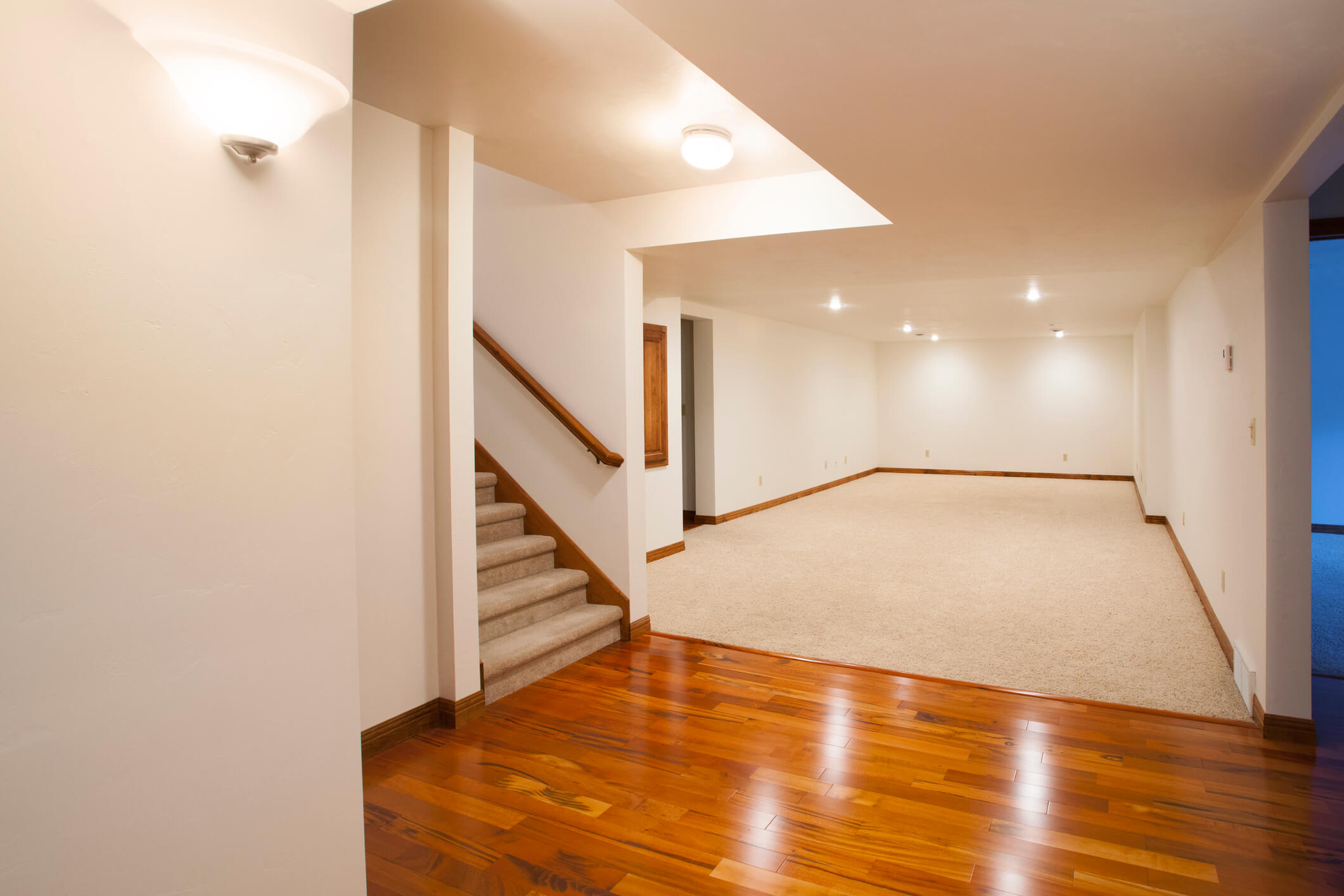
Finishing your basement is about making an unfinished space livable. You add walls, insulation, drywall, a ceiling, flooring, and lighting. Done well, it transforms an unfinished basement into a functional living space. It’s a real improvement, and it adds square footage that shows up at resale.
The decisions in this phase are mostly cosmetic. Do you want a luxury vinyl plank, carpet, or tile on the floor? What about the ceiling, whether that’s drywall, drop tile, or exposed beams? Trim and fixtures to pull the look together. These choices affect how the space feels, but they don’t fundamentally shape how it works.
Basement finishing options like these are worth careful consideration, because they interact with one another in ways that aren’t always obvious. A darker ceiling finish, for example, makes a low-ceiling basement feel more enclosed. Certain flooring materials handle moisture better than others, and in Central Indiana basements, moisture is a real factor, not a hypothetical. Getting the materials right matters for long-term performance.
But finish selection, on its own, is downstream of something more important: deciding what the space is actually going to do.
What Designing a Basement Really Involves
Custom basement design starts with a different question. Not “what should this look like?” but “how will this space actually be used, and by whom, and for how long?”
Sounds obvious. In practice, it’s where most basement projects quietly go wrong. Homeowners often have a general idea. A family room, a home office, maybe something for the kids. But a general idea isn’t a plan, and the specifics matter enormously in how the space gets built out.
Consider a basement that serves as both a recreation room and a guest suite. Those two uses create different requirements. The guest bedroom needs an egress window; that’s not optional under local building codes. It needs sound control between it and the entertainment area. It probably needs its own lighting zone, closet storage, and, ideally, a nearby bathroom, which means considering plumbing rough-ins early in the process.
None of that is a final selection. That’s basement space planning. Skip those decisions, or get them wrong, and you can end up with a beautifully finished room that doesn’t work at all. That’s not a finish problem. That’s a planning problem.
A genuine custom basement remodel considers the floor plan, traffic flow between zones, where electrical needs to run, the HVAC situation, and whether the existing structural conditions support the layout you’re imagining. Finishes come after all of that. Not before.
The Planning Decisions That Actually Drive the Project
Good basement remodel planning covers a lot of ground before anyone touches a material sample. Here’s what that actually looks like in practice.
- Zoning the space.
A multipurpose basement needs clear zones: where the entertainment space lives, where the home office sits, whether there’s dedicated storage or a workout room in the mix. Basement room planning determines how those zones relate to each other and whether traffic flow makes sense for how your family actually moves through a space.
- Mechanical and structural considerations.
Most of the decisions that determine whether a basement actually functions well happen here, not at the finish stage. Where does the return air go? Does the existing HVAC system have the capacity, or does it need to be addressed as part of the project? Is there a support column that limits your layout options? Does the subfloor system need to account for moisture? Can you add plumbing for a wet bar or bathroom without major disruption?
Answer these questions early. Answering them after walls are framed costs significantly more, in money, in time, and sometimes in tearing out work that’s already done.
- Egress and code compliance.
Bedrooms are where people get caught off guard. If you want a bedroom in the basement, local building codes require a properly sized egress window. Not just any small basement window, but a specific minimum opening that allows emergency exit. In Indianapolis and the surrounding communities, code requirements vary somewhat, so understanding what applies to your specific municipality before you frame anything is important. Getting a permit pulled and inspections completed properly protects your investment and keeps you on the right side of the rules.
- Lighting plan.
Basements have limited natural light, so the artificial lighting plan carries more weight than it does upstairs. Picking fixtures is the easy part. Designing lighting zones that actually support how each area gets used is the real work. A home theater needs low ambient light and directional task lighting. A basement home office needs consistent, even illumination. A kids’ hangout space benefits from brighter, flexible lighting. Get the lighting plan wrong and no amount of nice finishes will make the space feel right.
- Sound control.
If you’re creating distinct zones, say a media room near a guest suite, sound transmission between them becomes a real concern. Staggered framing, additional drywall layers, and sound-absorbing insulation all help, but only if they’re built into the plan from the start. You can’t easily retrofit sound control after walls are up.
Why This Order of Operations Matters
Plenty of basement projects go sideways, not because the contractor did poor work, but because the sequence was wrong from the start.
When the sequence is reversed, people choose their flooring before deciding whether the basement will have a bathroom. They pick paint colors before they know where the built-in cabinetry will go. They get excited about a wet bar without thinking through whether the electrical layout supports it or whether the drain location makes sense. Each of those choices, made in isolation, seems reasonable. Together, they create a space that feels off in ways that are hard to explain and expensive to fix.
The result is a finished basement that looks acceptable but frustrates people to use. The lighting is wrong for how the space actually gets used. The traffic flow is awkward. A support beam got worked around rather than incorporated into the design. Storage is inadequate because nobody planned for it at the right stage. None of these are catastrophic failures, but none of them would have happened with proper planning upfront. You don’t fix that with better flooring.
Good planning avoids all of this by establishing the functional layout first, then selecting materials and finishes that serve it. The flooring choice supports the activity, with moisture-resistant materials in areas with higher humidity and comfortable surfaces where people sit or walk barefoot. The ceiling finish accounts for clearance heights and mechanical access points. The lighting plan is specific to zones rather than generic to the whole room.
Basement design ideas that look great in photos often fall apart in execution for exactly this reason. The magazine-worthy space, with the built-in bar, dedicated media wall, and glass-enclosed gym, requires serious upfront planning to pull off. The built-ins need to be engineered into the wall framing. The media wall needs a conduit run during construction. The gym needs its own ventilation and durable flooring that handles equipment weight and moisture. Without that groundwork, the vision doesn’t survive contact with the actual build.
What a Custom Finished Basement Actually Includes
A genuinely custom finished basement isn’t just a nicely finished version of a generic plan. It’s a space designed for specific people and uses, with materials selected to perform well over time in a below-grade environment.
In Central Indiana, basements mean taking moisture control seriously. The clay-heavy soil common across the Indianapolis area doesn’t drain as well as sandier soils, and seasonal humidity swings put real pressure on below-grade spaces from spring through late summer. Dehumidification, waterproofing at potential entry points, and a subfloor system that allows air circulation aren’t optional extras. They’re what determines whether the space still looks good a decade from now. Homes in established Indianapolis neighborhoods, particularly those built before the 1990s, often have foundation issues that need to be addressed before any finishing work begins.
It also means thinking about long-term goals. The family room for small kids becomes a teens’ hangout, then eventually a home office or a space for aging parents. Adaptable design accounts for that evolution by running extra electrical circuits to areas where needs might change, framing in ways that make future modifications less disruptive, and building in storage walls that work across multiple stages of life.
Resale appeal comes into this, too. Buyers look closely at finished basements, and they can usually tell the difference between a professionally designed space and one put together to check a box. Code compliance, proper egress, quality materials, and a thoughtful layout all contribute to how future buyers perceive a basement. A custom basement renovation done right enhances the value of the whole house, not just the square footage.
A Note on Who Does the Planning
specifically how electrical, plumbing, HVAC, framing, and finishes interact with each other in a below-grade environment. A finish-selection conversation with a supplier won’t get you there.
Design-build contractors who specialize in basement work bring that perspective from real project experience. They’ve seen what happens when a support column gets ignored in the early planning stages. They know which materials hold up in humid conditions and which ones look good in a showroom but start failing within a few years. They understand the drainage and moisture patterns specific to Central Indiana properties, and they know how local code requirements in Carmel, Noblesville, Westfield, and Zionsville affect what you can and can’t do in a below-grade space.
At Gettum Remodeling, this is how we approach every basement project. We start by defining how the space will be used, build the plan around those uses, and then select materials and finishes that support the plan. It’s a different process than picking samples and hoping it comes together, and the results reflect that difference.
Don't Let the Finish Selection Come First
Most basement projects that disappoint homeowners weren’t poorly built. The problem started before construction ever did. The flooring was selected before the layout was set, and the layout was finalized before anyone asked how the space would actually be used. By the time construction started, the decisions that mattered most had already been made in the wrong order.
If you’re considering a basement project, the conversation worth having isn’t about materials. It’s about what you need the space to become, who will use it, and how that shapes every decision that follows. Get that right, and the finish selections almost make themselves.
Talk to Someone Who Starts With the Plan
Gettum Remodeling has been completing design-build basement projects throughout Indianapolis, Carmel, Fishers, Greenwood, Zionsville, Westfield, and Noblesville since 1987. Many contractors will show you samples on the first visit. We don’t. Your first conversation with us won’t be about tile. It’ll be about how you live. We start with your goals, build a plan around them, and then spec materials that will perform in your specific home and soil conditions. Poor planning at the start is one of the most expensive mistakes a homeowner can make on a basement project. Not because the build costs more upfront, but because fixing it later costs far more than doing it right the first time.
Schedule your free consultation today and find out what your basement could realistically become, and what it would take to get there.
FAQs Section
What's the difference between basement finishing and a full custom basement remodel?
Basement finishing focuses on making an unfinished space livable by adding walls, flooring, a ceiling, and basic lighting. A custom basement remodel goes further by designing the entire space around its intended use. That includes decisions about layout, zoning, electrical and plumbing placement, sound control, egress compliance, and material selection based on long-term performance. Finishing is a subset of remodeling, not a replacement for it.
When should I start thinking about layout and design versus finish selections?
Layout and design decisions should come first, always. Finish selections, such as flooring choices, paint colors, and ceiling treatments, should be made after the functional plan is established. Picking finishes before you know where the built-ins will go, how lighting zones will be divided, or whether you need egress for a bedroom can lead to decisions that don’t serve the space as well as they should.
Do I need permits for a basement remodel in Indianapolis?
Yes, in most cases. Adding a bedroom requires an egress window that meets code requirements. Electrical work, plumbing additions, and structural changes all typically require permits and inspections. Working with a licensed contractor who pulls permits and schedules inspections protects your investment and ensures the work meets local building codes. It also matters at resale because buyers and their inspectors will notice unpermitted work.
What basement design ideas work well for multipurpose spaces?
The key is zoning. Rather than treating the basement as one open room, design it with distinct areas for each use: a family room section, a dedicated home office corner, and storage built into the perimeter. Sound control between zones, separate lighting plans for each area, and thoughtful traffic flow make multipurpose basements work in practice, not just on paper.
What materials hold up best in Central Indiana basements?
Moisture-resistant materials are essential for below-grade spaces. Luxury vinyl plank flooring handles moisture fluctuations better than carpet or standard laminate. Moisture-resistant drywall or cement board in areas prone to dampness outlasts standard drywall. Closed-cell spray foam insulation provides both moisture protection and superior insulation performance. The specific conditions of your home, including the age of construction, soil drainage, and existing waterproofing, affect which materials make the most sense.
How does basement design affect resale value?
Buyers and their inspectors carefully review finished basements. A space that is thoughtfully designed, with proper egress, code-compliant electrical and plumbing, quality materials, and a layout that makes functional sense, adds genuine value to the home. A basement finished quickly without proper planning often requires remediation, which can affect negotiations or scare buyers off altogether. A well-executed custom basement renovation contributes to the resale appeal of the entire property.
Does a basement need to be designed for a single purpose, or can it handle multiple uses?
Multiple uses are completely achievable, but they require more careful planning than a single-purpose space. A basement that includes both a home theater and a guest suite, for example, needs sound isolation between the two zones, separate egress considerations, independent lighting controls, and potentially a bathroom that serves both areas. Planning for all of that from the start yields much better results than adding it piecemeal.
How do I find a basement remodeling contractor in Indianapolis who handles both design and construction?
Look for design-build contractors with documented experience in basement projects specifically. Ask how they handle the planning phase, whether they pull permits, and how they approach moisture control for your property’s specific conditions. References from projects completed five or more years ago tell you something meaningful about how the work holds up over time. Gettum Remodeling has been completing basement projects throughout the Indianapolis area since 1987 and handles design, permitting, and construction as a single integrated process.